Sleep as Medicine? 5 Sleep Secrets That Extend Your Lifespan
📌 Information Disclosure
This article is written for general health information purposes. Results may vary depending on individual health conditions and environments. If sleep disorders persist, please consult with a healthcare professional.
📑 Table of Contents
- Overview
- 1. Regular Sleep Schedule
- 2. Bedroom Temperature Management
- 3. Caffeine Timing
- 4. Blue Light Blocking
- 5. Optimal Sleep Duration
- Sleep Quality Checklist
- Infographic Data
- References
Overview
I always feel tired when I wake up. I used to think I was tired because I didn't get enough sleep. But have you ever thought that "sleeping more makes you healthier"? Recent research findings are somewhat different from what we knew. It seems that simply sleeping more isn't always the answer.
According to a study published by Oregon Health & Science University (OHSU) in 2025, sleeping less than 7 hours per day showed a strong association with decreased lifespan, and this impact was even greater than that of diet or exercise.
What's more interesting is that sleep 'regularity' is more important than sleep 'duration'. A 2024 study of 60,977 people from the UK Biobank reported that people with irregular sleep patterns had a 20-48% higher risk of premature death compared to those with regular sleep schedules.
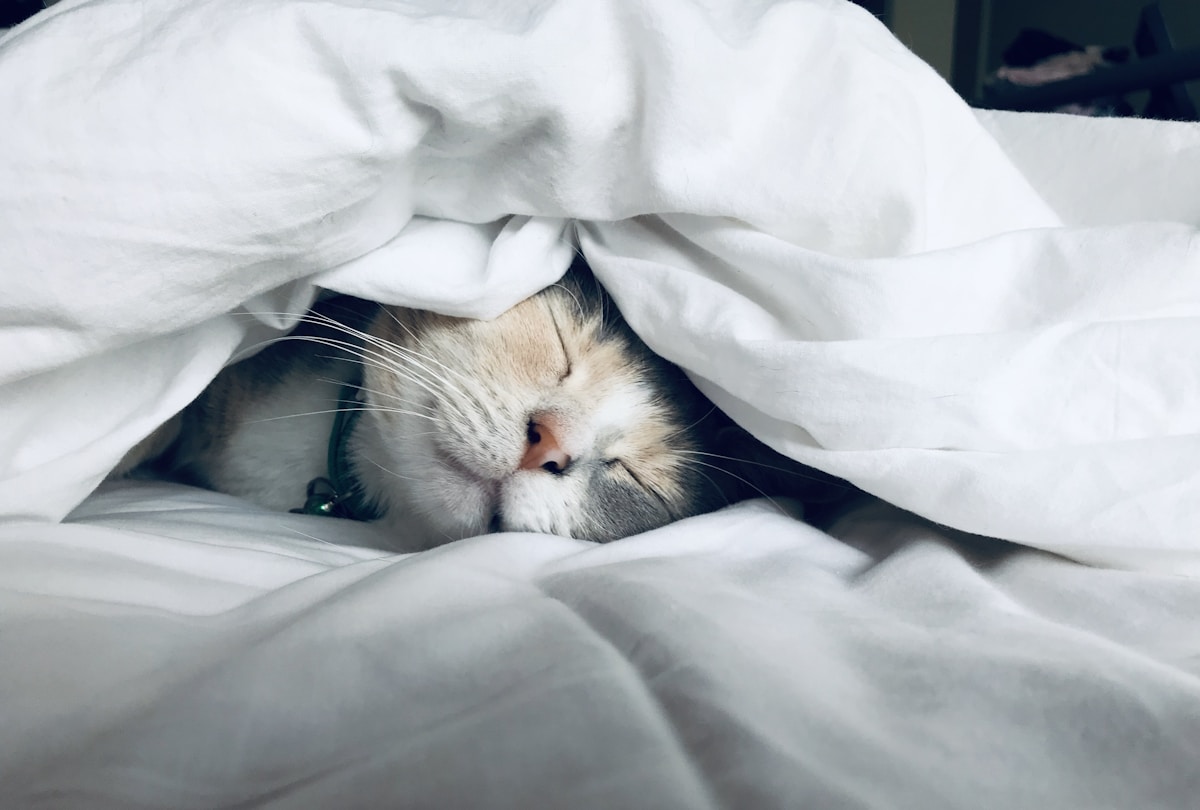
Photo by Brendan Church on Unsplash
1. Regular Sleep Schedule Determines Your Life
Why Is It Important?
Sleep regularity is a stronger predictor of mortality than sleep duration. Going to bed and waking up at similar times each day is more important for health than simply sleeping longer.
How to Practice
- Wake up at similar times even on weekends (within ±1 hour recommended)
- Go to bed at the same time every day
- Get sunlight exposure within 30 minutes of waking up (helps regulate circadian rhythm)
💡 Tip: Set your alarm for the same time every day of the week. Sleeping in on weekends disrupts your circadian rhythm.
2. Bedroom Temperature of 20-25°C Is Key to Quality Sleep
Scientific Evidence
A long-term study on older adults found that sleep was most efficient and comfortable when bedroom temperature was between 20-25°C, and sleep efficiency decreased by 5-10% when temperature rose from 25°C to 30°C.
How to Practice
- Maintain bedroom temperature at 20-25°C (68-77°F)
- Use breathable cotton bedding
- Take a warm shower 1-2 hours before bedtime (temperature change induces sleep)
⚠️ Note: There are individual differences, so finding your comfortable temperature is important. There is considerable variation in optimal temperature among individuals.
3. Coffee Only Until 9 Hours Before Bedtime
Surprising Fact
Caffeine's half-life varies greatly among individuals but is roughly 2-10 hours. According to a 2023 meta-analysis, to avoid reduced total sleep time, regular coffee (107mg) should be consumed at least 8.8 hours before bedtime, and pre-workout supplements (217.5mg) should be consumed 13.2 hours before bedtime.
How to Practice
- Stop caffeine intake after 2-3 PM, as caffeine (400mg) has significant adverse effects on sleep even 6 hours before bedtime
- Be careful with caffeine-containing foods (coffee, green tea, chocolate, energy drinks)
- Switch to herbal tea or warm water in the afternoon
✅ Alternative: Chamomile tea or warm milk does not interfere with sleep.
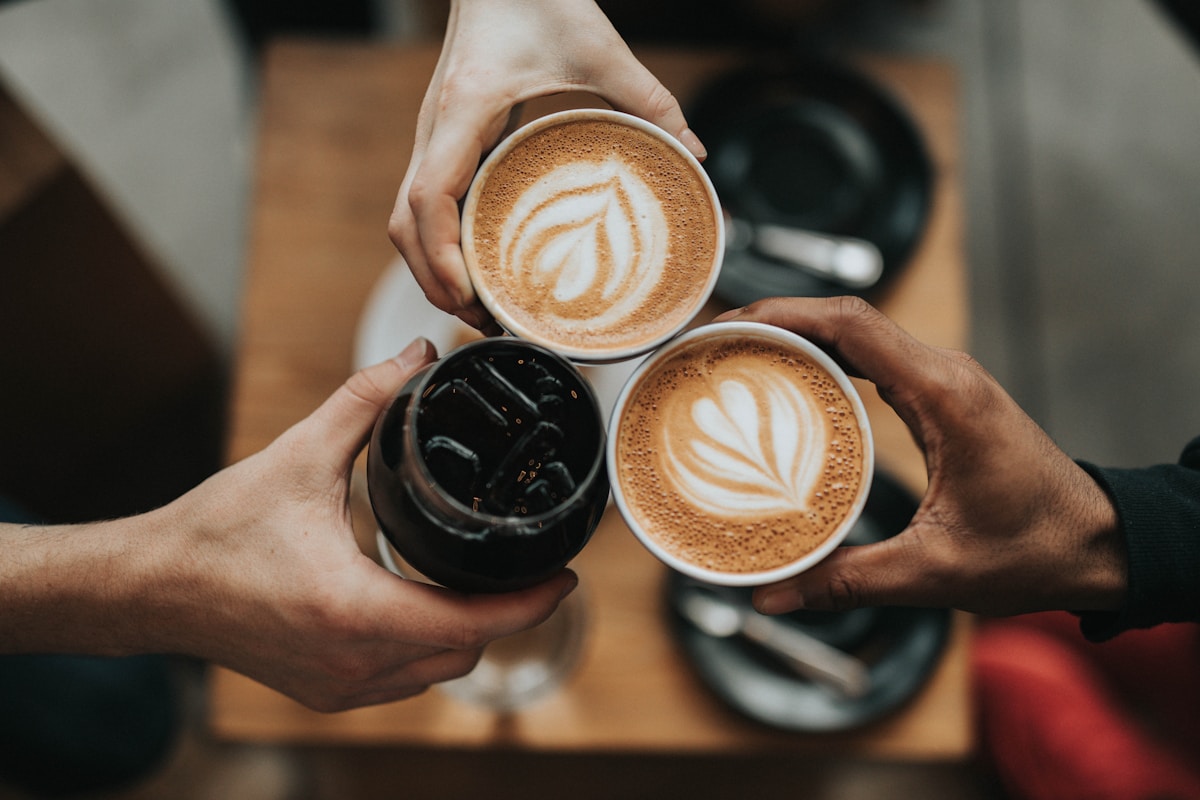
Photo by Nathan Dumlao on Unsplash
4. Blue Light Blocking Protects Melatonin
Why Is It a Problem?
Blue light from smartphones and tablets tricks the brain into thinking it's daytime, suppressing the production of melatonin, the sleep hormone.
How to Practice
- Stop using digital devices at least 1 hour before bedtime
- If unavoidable, activate night mode (blue light filter)
- Keep bedroom for sleep only (remove TV and computer)
- Use warm-colored lighting
💡 Pro Tip: Reading paper books does not interfere with sleep.
5. 7-9 Hours of Sleep Extends Life
Scientific Evidence
Short sleep of less than 6 hours was associated with a 12% higher mortality risk compared to those sleeping 6-9 hours, while long sleep of more than 10 hours was associated with 34% higher risk in men and 48% higher risk in women.
How to Practice
- Aim for 7-9 hours of sleep daily
- Sleeping too much is also harmful to health (be careful with 10+ hours)
- Sleep 'quality' and 'regularity' are more important than 'quantity'
⚠️ Note: Excessively long sleep can lead to poor sleep quality and increased fatigue.
Check Your Sleep Quality
✅ Do you fall asleep within 30 minutes?
✅ Do you wake up no more than once during the night?
✅ Do you wake up feeling refreshed in the morning?
✅ Do you avoid severe drowsiness during the day?
✅ Do you avoid sleeping more than 2 hours extra on weekends?
If you check fewer than 3 items, you need to improve your sleep habits.
📊 Infographic Data
Sleep Duration and Mortality Risk
Mortality Risk by Sleep Duration:
• Less than 6 hours: +12% increased risk
• 7-8 hours: Baseline (optimal)
• More than 10 hours: +34% in men, +48% in women increased risk
Optimal Bedroom Temperature
Sleep Efficiency by Temperature:
• 20-25°C: Optimal (100%)
• 25→30°C: 5-10% decrease
• Below 18°C or above 25°C: Sleep disruption
Caffeine Timeline
After consuming 1 cup of coffee (107mg):
• 0 hours: Caffeine absorption begins
• 4-6 hours: Half-life (50% remains)
• 8.8 hours: Safe bedtime window
• After 2 PM consumption = 11 PM sleep disruption
Effects of Regular Sleep
Irregular Sleep vs Regular Sleep:
• Premature death risk: 20-48% higher
• Cancer mortality risk: 16-39% higher
• Cardiovascular mortality risk: 22-57% higher
Conclusion
Researchers emphasize that "people should try to get 7-9 hours of sleep per day whenever possible." "Adequate sleep not only improves mood but also extends lifespan."
Try implementing these 5 methods one by one. If you turn the most effective method into a habit, you'll experience a noticeably different morning after 3 weeks.
📚 References
Sleep and Longevity Research:
• SLEEP Journal - Sleep Regularity and Mortality (2024)
• OHSU Official Release - Sleep Deprivation and Life Expectancy (2025)
• Mayo Clinic - Sleep and Longevity (2024)
Bedroom Temperature Research:
• Science of the Total Environment (2023)
• Sleep Foundation - Sleep Temperature Guide
Caffeine and Sleep:
• Sleep Medicine Reviews - Caffeine Systematic Review (2023)
• Journal of Clinical Sleep Medicine (2013)
If this article was helpful, please share it! 💜
#SleepHealth #Insomnia #SleepQuality #LongevitySecrets #HealthyHabits