[2025 Report] Avian Influenza: Has It Crossed Over to Humans? - Facts Over Fear
1. Dying Birds and Human Anxiety
Winter 2025 is here, and the migratory birds have returned. Along with them, the news of 'Avian Influenza (AI)' has returned as well. But this year feels different. In the past, headlines were dominated by the culling of chickens and ducks. Now, we see phrases like "Mammal Transmission" and "Human Infection Risks."
People are anxious. "Is this another pandemic so soon after COVID-19?" It's a natural reaction, but anxiety often stems from the unknown. When we understand exactly what the virus is and what stage we are in, vague fear turns into rational caution. The enemy right now is not the 'birds' themselves, but 'contact with the virus.'
2. Why Did the Virus Jump the Fence?
Avian influenza, specifically the highly pathogenic H5N1 virus, is originally a bird disease. However, in recent years, this virus has expanded its territory. Seals, cats, and even dairy cows have been infected.
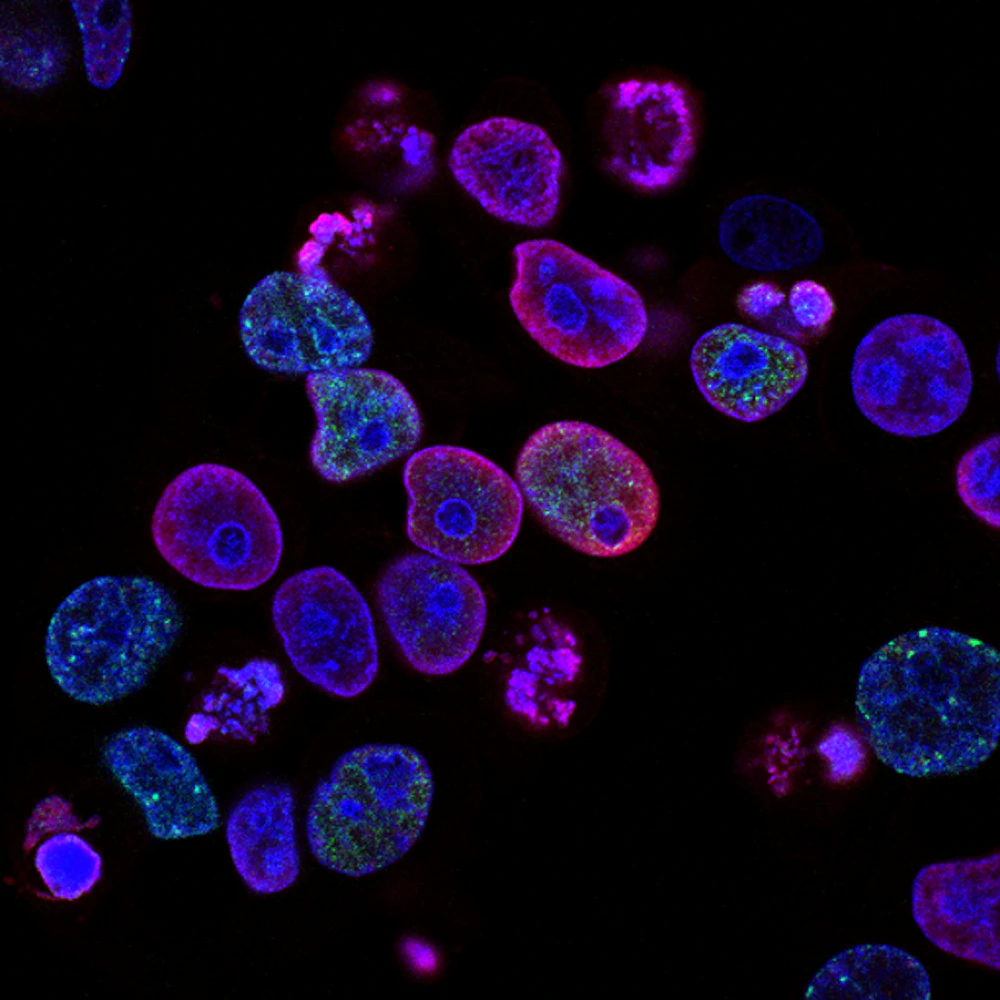
(Credit: Photo by Fusion Medical Animation on Unsplash / Courtesy of Unsplash)
Weakening of the Species Barrier
The fact that the virus spreads to mammals means it has learned to survive in environments with different body temperatures and cell structures than birds. This is what concerns scientists. However, there is no need to panic. Sustained 'human-to-human' transmission has not yet been confirmed. Most reported human cases so far have occurred in farm workers who had direct, close contact with infected animals.
3. Symptoms and Risks: Just the Flu, or Something More?
What happens if a human gets infected? Based on data accumulated up to 2025, the symptoms include:
- Initial Symptoms: Similar to seasonal flu. High fever (over 38°C), cough, and muscle aches.
- Distinctive Symptom: A key difference from the regular flu is conjunctivitis (red eyes). This can happen if you touch your eyes with hands contaminated by the virus.
- Fatality Rate: Historical data showed a high fatality rate, but as more mild cases are discovered, the figures are being adjusted downwards. However, it remains significantly more dangerous than the seasonal flu.
4. What We Must Do: Rational Prevention
Governments have their role, and citizens have ours. We don't need to stop our lives, but we do need to tweak our habits. The key word is 'Blocking.'
First, Distance from Wild Birds
Avoid visiting migratory bird habitats. If you see a dead bird on the road, never touch it with bare hands. Curiosity or sympathy can be dangerous. Reporting it to local authorities is the most responsible action you can take as a citizen.
Second, Cooked Food is 100% Safe
"Is it safe to eat chicken, eggs, or milk?" This is the most common question. The short answer: Yes, it is safe. The virus is very sensitive to heat. Cooking at 75°C or higher for just 5 minutes kills the virus completely. Pasteurized milk sold in stores is also safe.
Third, The Most Powerful Vaccine: 'Hand Washing'
It sounds cliché, but nothing is more effective. Hands are the main highway for viruses to enter our bodies. If you block this highway, the probability of infection drops dramatically.

(Credit: Photo by Clay Banks on Unsplash / Courtesy of Unsplash)
- Status: Mammal cases are rising, requiring caution, but no sustained human-to-human transmission.
- Risk: High risk only with direct contact with infected animals. Low risk for general public.
- Action: Do not touch dead birds, cook poultry/eggs thoroughly, and wash hands frequently.
5. Beyond Fear, Towards Solidarity
Viruses do not feed on fear; they spread through complacency. Excessive fear leading to hatred or exclusion of poultry farmers helps no one.
What we need now is calm observation and adherence to hygiene rules. We have already learned a lot from past pandemics. In 2025, we can handle this more wisely. When we know exactly what the problem is, the solution is often closer than we think.


